
by Youssef El Beqqal · · Updated
Cash Stuffing in a Digital Age
TL;DR
Cash stuffing works because an empty envelope is an undeniable spending limit in a way a shared digital balance rarely feels like, and the same clarity is reproducible digitally with category-specific tracking instead of physical cash.
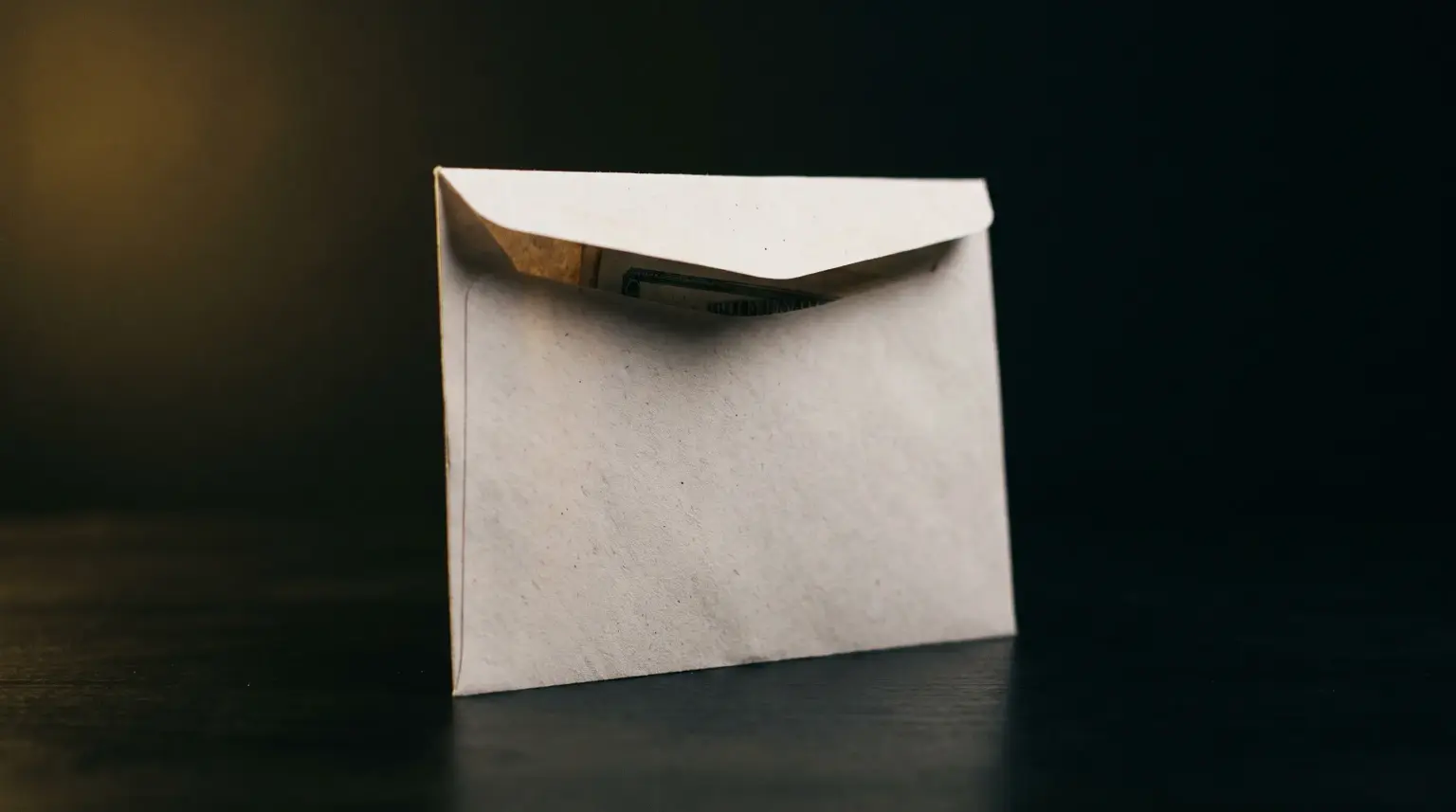
Put $400 in a "groceries" envelope at the start of the month. By the third week, $60 left in the envelope is not up for debate the way "$1,200 left in checking" is, when checking also has to cover gas, subscriptions, and everything else. That's cash stuffing's entire mechanism: physically dividing money into labeled envelopes for each spending category, and it has become popular again largely online, not out of nostalgia but because it solves a real problem.
Why physical cash works psychologically
An empty envelope is undeniable in a way a shared digital balance usually isn't. There's no ambiguity about whether you can still spend in a category: the envelope is either full or it's empty. That physical, visible limit is what makes the method effective for people who overspend against one pooled balance that covers everything at once.
The real downside
Physical cash is inconvenient in a world that runs mostly on cards and digital payments:
- No automatic record of what was spent or when
- No remote access if the envelope is at home and the purchase is not
- Lost or stolen cash is simply gone, with no way to trace or reverse it
The psychological benefit comes with a real practical cost.
Getting the same effect without the cash
The underlying mechanism, a hard, visible, category-specific limit, doesn't require literal cash. A digital "groceries: $60 left" figure, checked before a purchase, produces the same "this envelope is empty" clarity a physical one does, without giving up the convenience of cards. That same category-level clarity is what makes a subscription audit effective too: seeing the real number instead of guessing at it.
MoneyFlow tracks spending by category with real, checkable numbers, giving cash stuffing's clarity without the actual envelopes.